
Table of Contents
When it comes to quick, healthy, and versatile proteins, few dishes rival a perfectly grilled chicken breast. Whether you’re prepping lunch for the week, serving a family dinner, or looking for a light yet satisfying option for a weekend barbecue, mastering the art of grilled chicken breast opens the door to countless flavor combinations.
This guide walks you through everything you need to know—from selecting the right cuts and building a simple marinade to grilling techniques that lock in moisture and deliver that coveted char‑kissed exterior.
Key Ingredients
The foundation of a great grilled chicken breast lies in a handful of pantry staples that enhance the meat’s natural flavor without overwhelming it. Olive oil provides a healthy fat that helps the seasoning adhere and promotes even browning. Fresh lemon juice adds brightness and a subtle acidity that tenderizes the protein, while minced garlic contributes aromatic depth.
A blend of dried herbs—such as oregano, thyme, and parsley—brings earthy notes, and a touch of smoked paprika introduces a gentle warmth. Finally, kosher salt and freshly cracked black pepper balance the profile, ensuring each bite is seasoned to perfection. For next try Lemon Garlic Grilled Chicken Thighs.

Ingredients List
| Ingredient | Amount | Notes |
|---|---|---|
| Boneless, skinless chicken breasts | 4 pieces (about 6‑8 oz each) | Look for uniform thickness; if uneven, pound to ½‑inch. |
| Extra‑virgin olive oil | 3 Tbsp | Helps distribute the marinade and prevents sticking. |
| Fresh lemon juice | 2 Tbsp | About half a large lemon. |
| Garlic, minced | 2 cloves | Freshly minced for best flavor. |
| Dried oregano | 1 tsp | Can substitute with Italian seasoning. |
| Dried thyme | ½ tsp | Optional, adds subtle earthiness. |
| Smoked paprika | ½ tsp | Provides a gentle smoky note without actual smoke. |
| Kosher salt | ¾ tsp | Adjust to taste. |
| Freshly ground black pepper | ½ tsp | Adjust to taste. |
Helpful Tools
Having the right equipment on hand makes the grilling process smoother and ensures consistent results. A high‑quality grill—whether gas, charcoal, or electric—provides the direct heat needed for those beautiful grill marks. A sturdy pair of tongs allows you to flip the chicken without piercing the meat, which helps retain juices. A meat thermometer is indispensable for checking internal temperature and avoiding overcooking. Finally, a shallow dish or zip‑top bag works well for marinating, and a cutting board with a sharp chef’s knife is needed for trimming and pounding the breasts to an even thickness.
Pro-Tips
To elevate your grilled chicken breast from good to great, consider these expert pointers. First, always pat the chicken dry before applying the marinade; excess moisture steams the meat rather than searing it. Second, let the marinated chicken rest at room temperature for 15‑20 minutes before grilling—this promotes even cooking. Third, resist the urge to constantly move the breasts; let them develop a crust before flipping. For extra inspiration, see this related recipe: . Finally, allow the grilled chicken to rest for five minutes after removal from the heat; the juices redistribute, resulting in a moist, tender bite every time.
How to Make
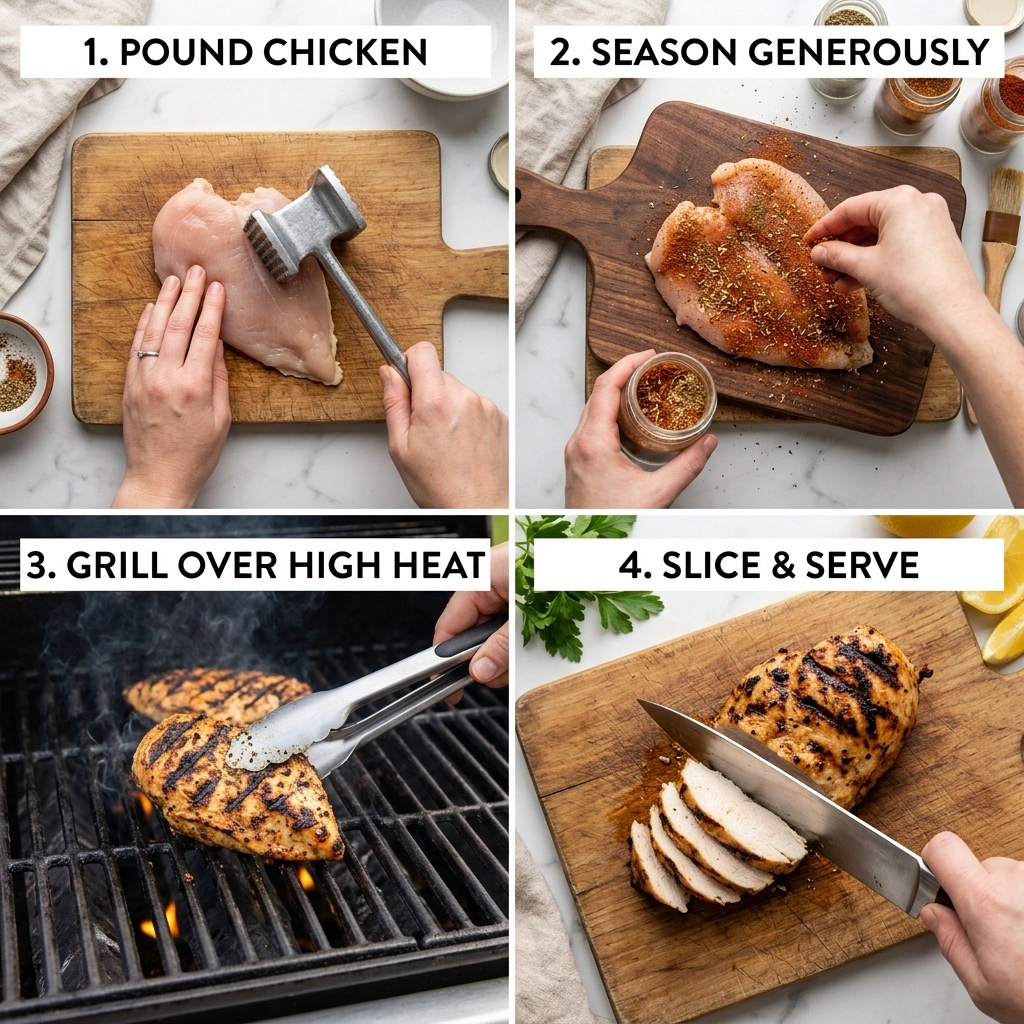
- Prepare the chicken: Place each breast between two sheets of plastic wrap and gently pound to an even ½‑inch thickness using a meat mallet or rolling pin. This ensures uniform cooking.
- Make the marinade: In a bowl, whisk together olive oil, lemon juice, minced garlic, oregano, thyme, smoked paprika, salt, and pepper until well combined.
- Marinate the chicken: Add the flattened breasts to a shallow dish or zip‑top bag, pour the marinade over them, and turn to coat evenly. Seal and refrigerate for at least 30 minutes, or up to 4 hours for deeper flavor.
- Preheat the grill: Heat your grill to medium‑high (approximately 400‑425 °F). Clean the grates and lightly oil them using a folded paper towel dipped in oil and held with tongs.
- Grill the chicken: Remove the breasts from the marinade, letting excess drip off. Place them on the grill and close the lid. Cook for 5‑6 minutes per side, or until the internal temperature reaches 165 °F as measured by an instant‑read thermometer.
- Check for doneness: Avoid cutting into the meat to test; rely on the thermometer. If the temperature is slightly below 165 °F, continue grilling in 30‑second intervals, checking frequently.
- Rest and serve: Transfer the grilled chicken to a cutting board, tent loosely with foil, and let rest for 5 minutes. Slice against the grain or serve whole, drizzling any pan juices over the top for added moisture.
Variations
One of the greatest strengths of grilled chicken breast is its adaptability to a wide range of flavor profiles. For a Mediterranean twist, increase the lemon juice to ¼ cup, add 1 tsp of lemon zest, and stir in 2 Tbsp of chopped fresh rosemary and a handful of Kalamata olives sliced thin.
An Asian‑inspired version swaps the olive oil for sesame oil, replaces lemon juice with rice vinegar, and adds 1 Tbsp of soy sauce, 1 tsp of grated ginger, and a pinch of red pepper flakes. If you prefer a smoky barbecue flavor, incorporate 2 Tbsp of your favorite BBQ sauce into the marinade and finish the chicken with an extra brush of sauce during the last minute of grilling. For a herbaceous garden note, mix in 2 Tbsp each of chopped fresh basil, parsley, and chives after grilling, and finish with a squeeze of fresh lemon.
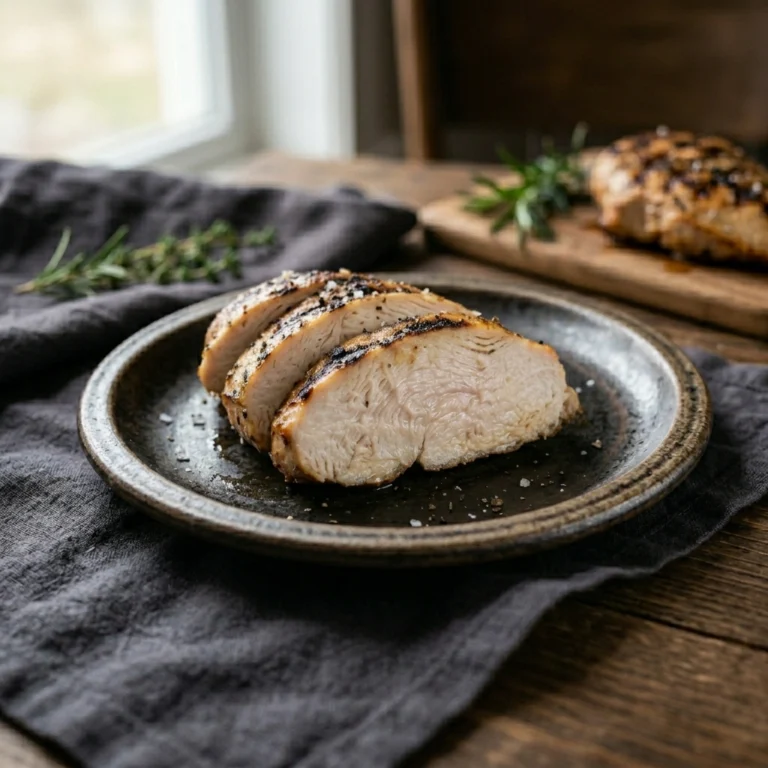
Grilled Chicken Breast
Whether you are prepping lunch for the week, serving a family dinner, or hosting a weekend barbecue, mastering the art of perfectly grilled chicken breast is a game-changer. This guide walks you through building a vibrant, tenderizing marinade and using expert grilling techniques to lock in moisture and deliver a coveted, char-kissed exterior. Simple, healthy, and versatile, this is a staple recipe for every home cook.
- Total Time: 22
- Yield: 4 servings
Ingredients
4 Boneless, skinless chicken breasts (pounded to ½-inch thickness)
3 tbsp Extra-virgin olive oil
2 tbsp Fresh lemon juice
2 cloves Garlic, minced
1 tsp Dried oregano
½ tsp Dried thyme
½ tsp Smoked paprika
¾ tsp Kosher salt
½ tsp Freshly cracked black pepper
Instructions
1. Prep: Pound chicken breasts between plastic wrap to an even ½-inch thickness to ensure uniform cooking.
2. Marinate: Whisk oil, lemon juice, garlic, herbs, and spices. Coat the chicken in the marinade and refrigerate for 30 minutes to 4 hours.
3. Heat Grill: Preheat grill to medium-high (400-425°F/200-220°C). Clean and lightly oil the grates.
4. Grill: Pat chicken dry. Place on the grill and cook for 5-6 minutes per side until the internal temperature reaches 165°F (74°C).
5. Rest: Transfer to a cutting board, tent with foil, and let rest for 5 minutes before slicing against the grain.
Notes
Pro-Tips:
• Pounding the chicken to an even thickness is the secret to avoiding dry, overcooked edges.
• Always pat the chicken dry before it hits the grill; excess moisture causes steaming rather than searing.
• Let the chicken rest for 5 minutes after cooking so the juices redistribute, ensuring every bite is moist.
Variations:
• Mediterranean: Add 2 tbsp chopped fresh rosemary and kalamata olives to the marinade.
• Asian-Style: Swap lemon juice and oregano for soy sauce, grated ginger, and sesame oil.
• BBQ: Brush with your favorite BBQ sauce during the final minute of grilling for a sticky, caramelized finish.
- Prep Time: 10
- Cook Time: 12
- Category: Dinner
- Method: Grill
- Cuisine: American
FAQ
Can I grill frozen chicken breasts?
It’s not recommended to grill frozen breasts directly, as the exterior will overcook before the interior reaches a safe temperature. Thaw the chicken in the refrigerator overnight or use the defrost setting on your microwave, then proceed with the marinating and grilling steps.
What if I don’t have a meat thermometer?
While a thermometer is the most reliable method, you can check doneness by making a small cut at the thickest part; the juices should run clear and the meat should no longer appear pink. However, this method can release juices, so a thermometer is preferred for consistently juicy results.
How do I prevent the chicken from sticking to the grill?
Ensure the grill grates are clean and well‑oiled before cooking. Additionally, patting the chicken dry and allowing it to come to room temperature reduces moisture that can cause sticking. Avoid moving the chicken too early; let it develop a sear before attempting to flip.
Can I use this method for chicken thighs?
Absolutely! The same marinade works well for boneless, skinless thighs. Because thighs contain more fat, they remain juicy even if cooked a few minutes longer; aim for an internal temperature of 165 °F as well.
Conclusion
Mastering grilled chicken breast is a worthwhile skill that pays dividends in flavor, nutrition, and versatility. By following the simple marinade, proper grilling technique, and resting period outlined above, you’ll achieve consistently juicy, tender results that serve as a perfect canvas for countless cuisines. Whether you keep it classic with lemon‑garlic herbs or venture into bold global variations, the possibilities are endless.
For more delicious ideas, follow me on Pinterest