Table of Contents
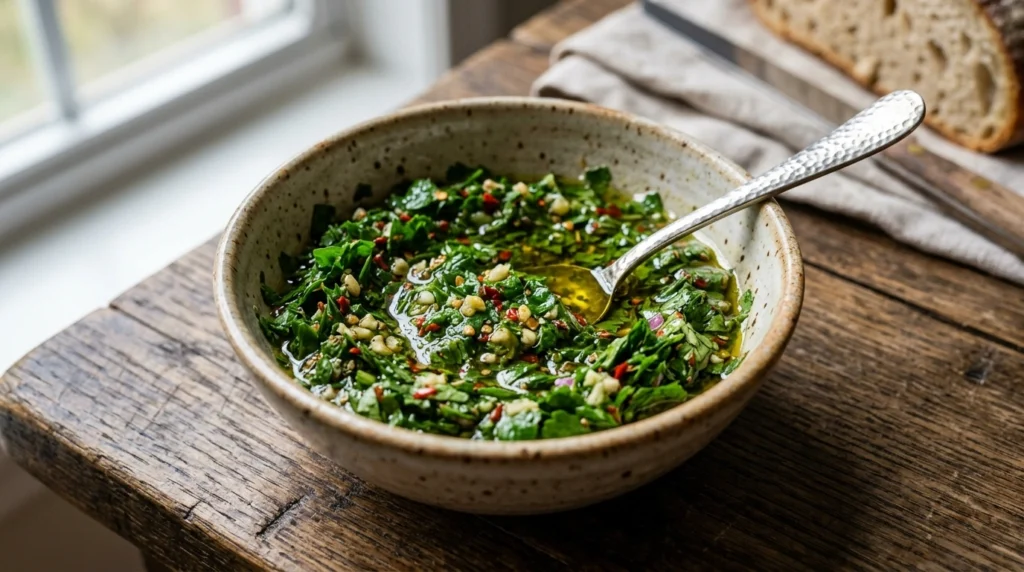
Chimichurri sauce is a vibrant and flavorful condiment that originates from Argentina, where it’s traditionally served with grilled meats, particularly steak. This zesty herb-based sauce has gained popularity worldwide for its fresh, bold flavors and versatility. With its vibrant green color and aromatic profile, chimichurri adds a burst of freshness to everything from grilled meats and vegetables to sandwiches and dips.
What makes chimichurri truly special is its perfect balance of fresh herbs, garlic, tangy vinegar, and rich olive oil. It’s incredibly easy to make yet delivers complex flavors that elevate even the simplest dishes. Whether you’re hosting a barbecue, looking to add excitement to your weeknight meals, or simply want to explore Argentine cuisine, this chimichurri sauce recipe is a must-try.
Key Ingredients
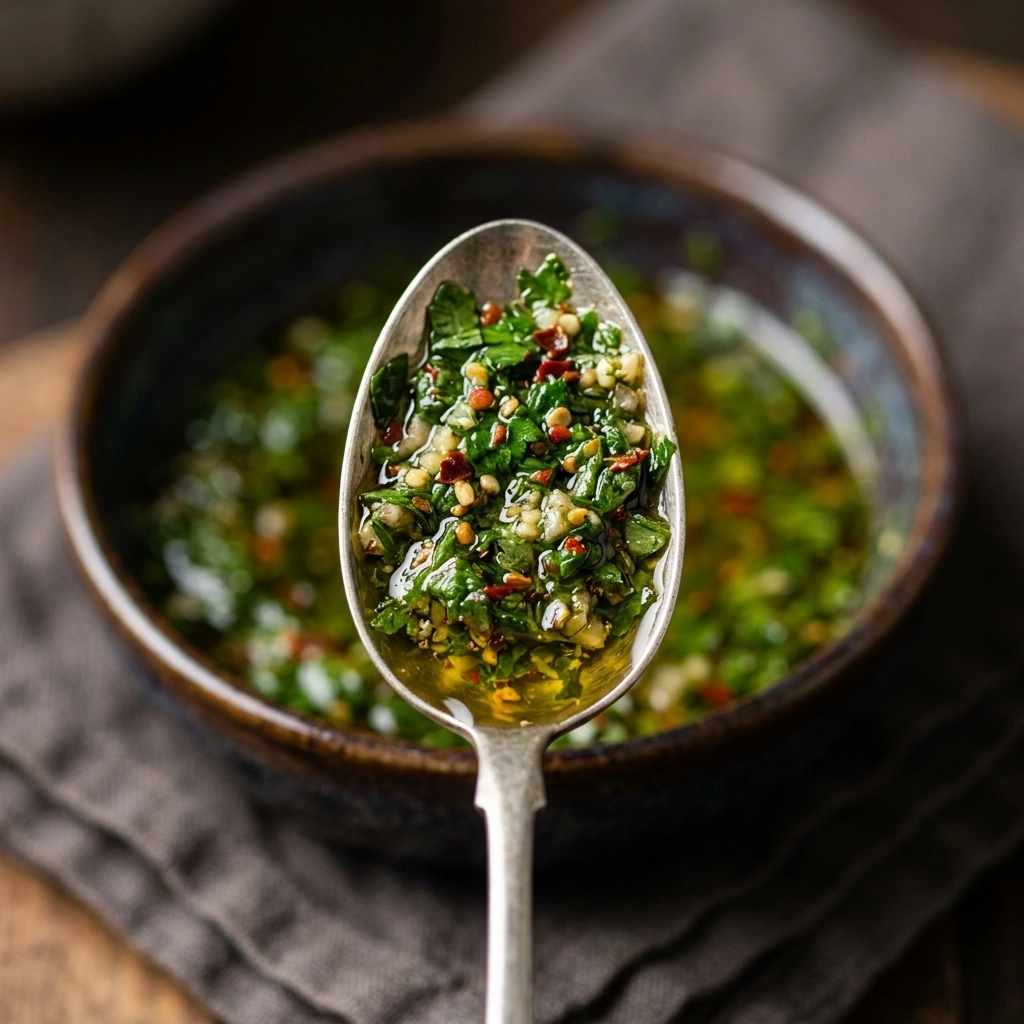
The magic of chimichurri lies in its simple yet powerful combination of ingredients. Traditional chimichurri primarily features fresh parsley, though many variations include oregano for additional depth.
The garlic provides pungency, red wine vinegar offers acidity (though we’ll use a different vinegar to avoid alcohol), olive oil delivers richness, and red pepper flakes add a subtle heat. These basic elements combine to create a sauce that’s both refreshing and robust.
Some modern variations might incorporate additional ingredients like lemon juice, cilantro, or different types of vinegar, but the classic version remains beloved for its straightforward approach and authentic taste.
Ingredients List
| Ingredient | Quantity | Notes |
|————|———-|——-|
| Fresh flat-leaf parsley | 2 cups | Chopped, stems removed |
| Fresh oregano | 2 tablespoons | Chopped, or 1 tablespoon dried |
| Garlic | 4-5 cloves | Minced |
| Red wine vinegar | ½ cup | (We’ll use apple cider vinegar to avoid alcohol) |
| Olive oil | 1 cup | Extra virgin, preferably good quality |
| Red pepper flakes | 1 teaspoon | Adjust to taste for heat |
| Salt | 1 teaspoon | Or to taste |
| Black pepper | ½ teaspoon | Freshly ground |
Helpful Tools
To make chimichurri sauce, you’ll need a few basic kitchen tools:
– A sharp knife and cutting board for chopping herbs and garlic
– A food processor or blender (optional, for a smoother texture)
– A mixing bowl or glass jar with a lid for storing
– A whisk or fork for mixing
– Measuring cups and spoons
– A fine-mesh strainer (optional, if you prefer a smoother sauce)
Having these tools on hand will make the preparation process smooth and efficient.
Pro-Tips
For the best results with your chimichurri sauce, consider these professional tips:
– Let the flavors meld by making the sauce at least an hour before serving
– Use high-quality olive oil for the best flavor
– If you prefer a smoother texture, process the herbs and garlic before adding the oil and vinegar
– Adjust the garlic and red pepper flakes according to your preference
– Store in a glass jar in the refrigerator for up to two weeks
– The flavors will continue to develop over time, making it even better the next day
– This versatile sauce also pairs wonderfully with grilled meats and vegetables
How to Make
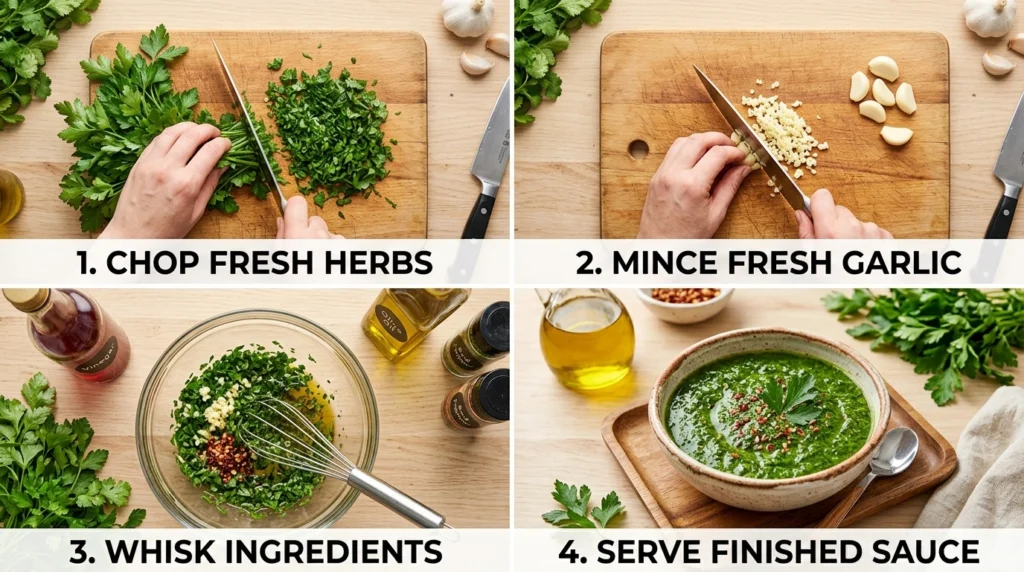
Follow these simple steps to create authentic chimichurri sauce:
1. Prepare the herbs: Remove the parsley leaves from the stems and chop finely. You can do this by hand or in a food processor. If using a food processor, pulse briefly to avoid turning it into a paste.
2. Add oregano and garlic: Add the chopped oregano and minced garlic to the parsley.
3. Combine dry ingredients: In a small bowl, mix the salt and red pepper flakes.
4. Create the base: Add the dry ingredient mixture to the herbs and garlic, tossing to combine.
5. Add vinegar: Pour in the apple cider vinegar (or vinegar of your choice) and mix well. Let this sit for about 10 minutes to allow the flavors to meld.
6. Slowly add olive oil: While whisking constantly, slowly drizzle in the olive oil until the sauce is well combined and emulsified.
7. Taste and adjust: Check the seasoning and adjust salt, pepper, or vinegar to your liking.
8. Let it rest: Cover the chimichurri and let it sit at room temperature for at least 30 minutes before serving. For even better flavor, refrigerate for a few hours or overnight.
Variations
While the traditional chimichurri is a beloved classic, there are several delicious variations to explore:
– Red Chimichurri: Made with roasted red peppers instead of green ones, this version offers a sweeter, smokier flavor profile.
– Fruity Chimichurri: Add diced mango, peach, or pineapple for a sweet and tangy twist that pairs beautifully with grilled seafood or chicken.
– Nut-based Chimichurri: Incorporate toasted almonds or walnuts for added texture and richness.
– Spicy Chimichurri: Increase the amount of red pepper flakes or add a minced jalapeño for extra heat.
– Citrus Chimichurri: Replace some of the vinegar with fresh lime or lemon juice for a brighter, more acidic flavor.
– Chimichurri Verde: This variation focuses on green herbs and often includes cilantro along with the parsley for a more complex herbal profile.
Chimichurri Sauce: Best Recipe & Tips
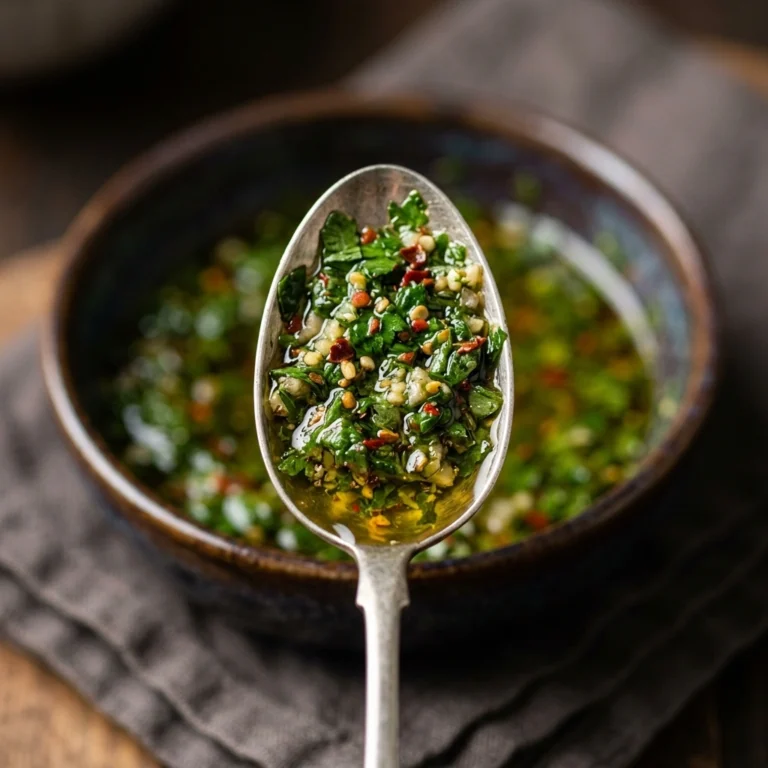
Chimichurri sauce is a vibrant, herb-based condiment from Argentina, traditionally served alongside grilled meats like steak. With its bold garlic flavor, bright acidity, and fresh parsley, this zesty green sauce adds an instant burst of life to any dish. Whether you are drizzling it over steak, grilled chicken, roasted vegetables, or using it as a sandwich spread, this easy recipe is a must-have in your kitchen repertoire.
- Total Time: 40
- Yield: 1.5 cups
Ingredients
2 cups Fresh flat-leaf parsley, chopped (stems removed)
2 tbsp Fresh oregano, chopped (or 1 tbsp dried)
4-5 cloves Garlic, minced
½ cup Apple cider vinegar (or red wine vinegar)
1 cup Extra-virgin olive oil
1 tsp Red pepper flakes (adjust to taste)
1 tsp Sea salt
½ tsp Freshly ground black pepper
Instructions
1. Prep: Finely chop the parsley leaves. Mince the garlic.
2. Combine: In a mixing bowl, combine chopped parsley, oregano, garlic, salt, and red pepper flakes.
3. Acidify: Stir in the vinegar and let the mixture sit for 10 minutes to allow the flavors to meld.
4. Emulsify: While whisking constantly, slowly drizzle in the olive oil until the sauce is well combined and slightly thickened.
5. Finish: Taste and adjust salt, pepper, or vinegar as needed. Let the sauce rest at room temperature for at least 30 minutes before serving.
Notes
Pro-Tips:
• For a more rustic texture, chop your herbs by hand; for a smoother sauce, pulse the ingredients briefly in a food processor, but be careful not to over-blend.
• Letting the sauce rest for at least 30 minutes is critical; it allows the raw garlic and vinegar to mellow into a cohesive flavor.
• Chimichurri keeps well in the refrigerator for up to two weeks, and the flavors often improve the next day.
Variations:
• Avocado Chimichurri: Blend in one ripe avocado for a creamy, rich sauce that pairs perfectly with fish tacos.
• Spicy: Add a finely minced fresh jalapeño for a brighter, fresher heat.
• Citrus: Replace half the vinegar with fresh lemon or lime juice for a more zesty, summery profile.
- Prep Time: 10
- Category: Sauce/Condiment
- Method: Mix
- Cuisine: Argentine
FAQ
How long does chimichurri sauce last?
When stored in an airtight container in the refrigerator, chimichurri sauce can last for up to two weeks. The flavors may intensify over time.
Can I freeze chimichurri sauce?
Yes, you can freeze chimichurri for up to three months. Portion it into ice cube trays for easy use, then transfer to a freezer bag once frozen solid.
What can I serve with chimichurri?
Chimichurri is incredibly versatile. It’s traditionally served with grilled meats, especially steak, but also works well with chicken, fish, vegetables, roasted potatoes, and even as a sandwich spread.
Is chimichurri spicy?
Chimichurri typically has a mild kick from the red pepper flakes, but you can adjust the heat level to your preference by adding more or less pepper flakes.
Why is my chimichurri watery?
This can happen if your herbs release too much moisture. To prevent this, make sure to thoroughly dry your parsley before chopping, and consider draining the sauce after adding the vinegar.
Can I make chimichurri without a food processor?
Absolutely! While a food processor can make the process quicker, you can easily chop the herbs and garlic finely by hand with a sharp knife.
What’s the difference between chimichurri and pesto?
While both are herb-based sauces, chimichurri typically contains vinegar and lacks nuts and cheese, which are common in pesto. Chimichurri also tends to have a more pungent garlic flavor and a looser consistency.
Conclusion
Chimichurri sauce is a simple yet incredibly flavorful addition to your culinary repertoire. With its fresh herbs, zesty vinegar, and rich olive oil, it brings brightness and depth to countless dishes. Whether you’re grilling meats, roasting vegetables, or simply looking to elevate everyday meals, this versatile sauce is sure to impress.
The beauty of chimichurri lies not only in its delicious taste but also in its simplicity. With just a handful of ingredients and minimal preparation time, you can create a sauce that rivals restaurant quality. Don’t be afraid to experiment with variations to suit your taste preferences—whether you prefer it spicier, tangier, or herbier.
For more delicious ideas, follow me on Pinterest.