Table of Contents
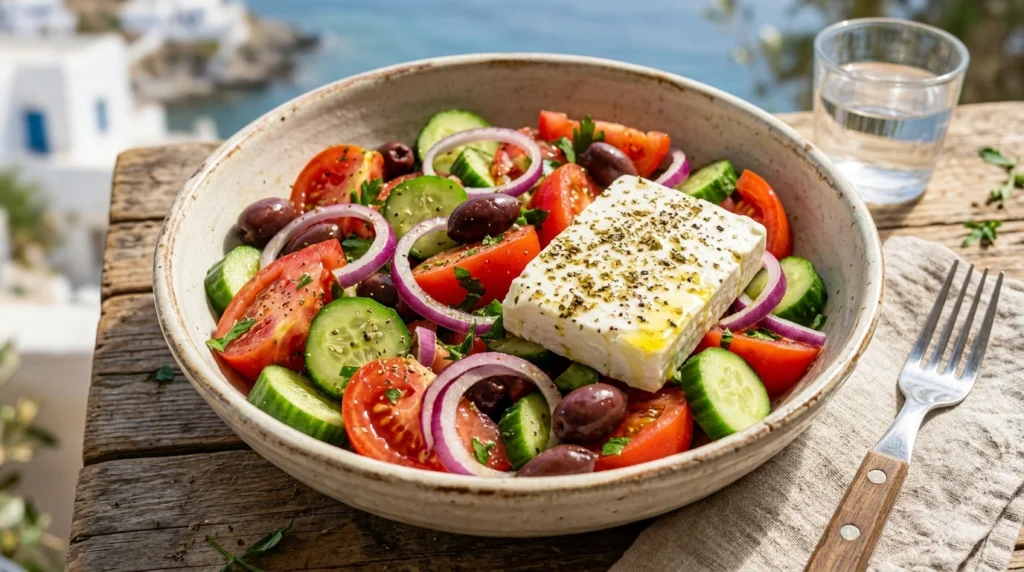
Greek salad is more than just a dish; it’s a culinary experience that transports you to the sun-drenched shores of the Mediterranean. This vibrant, refreshing salad has captivated food lovers worldwide with its perfect balance of flavors, textures, and colors.
Whether you’re looking for a light lunch, a side dish, or a healthy dinner option, the Greek salad delivers with its combination of crisp vegetables, tangy feta cheese, and savory olives. In this article, we’ll explore the authentic way to prepare this timeless classic and share tips to make your Greek salad truly exceptional.
Key Ingredients
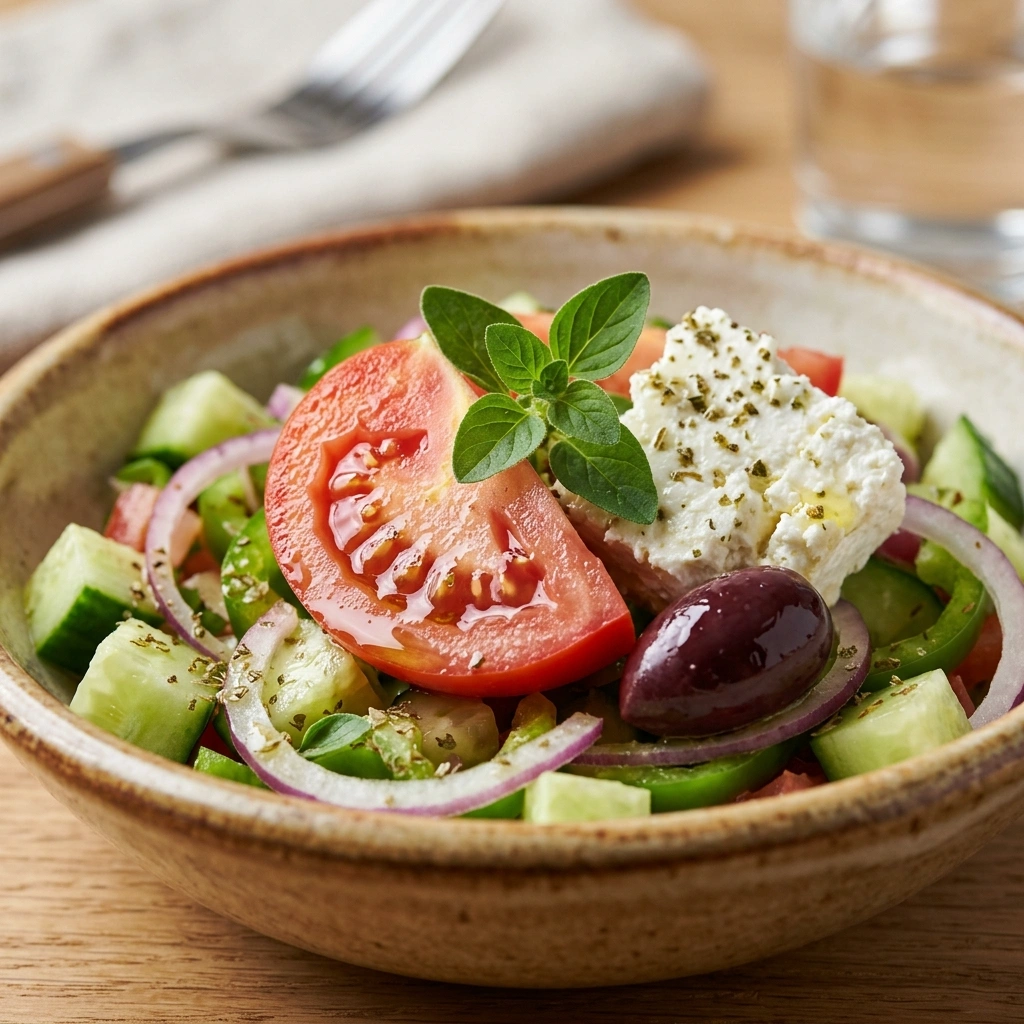
The beauty of Greek salad lies in its simplicity and the quality of its ingredients. Traditional Greek salad, known as “horiatiki” in Greek, features a handful of star components that create its distinctive character. The foundation includes ripe tomatoes, crisp cucumbers, sweet red onions, and briny Kalamata olives.
These vegetables provide a refreshing base with varying textures and flavors. The creamy feta cheese, typically crumbled or cubed, adds a rich, salty contrast that elevates the entire dish. A generous drizzle of extra virgin olive oil ties everything together, while aromatic herbs like oregano and a splash of lemon juice brighten the flavors. These ingredients work in harmony to create a salad that’s both satisfying and healthy.
Ingredients List
| Ingredient | Quantity | Notes |
|————|———-|——-|
| Ripe tomatoes | 4 large | Roma or vine tomatoes work best |
| Cucumbers | 2 medium | English or Persian cucumbers preferred |
| Red onion | 1 medium | Thinly sliced |
| Kalamata olives | 1 cup | Pitted |
| Feta cheese | 200g | Crumbled or cubed |
| Extra virgin olive oil | 1/4 cup | Good quality, extra virgin |
| Red wine vinegar | 2 tablespoons | Or white wine vinegar |
| Lemon juice | 1 tablespoon | Freshly squeezed |
| Dried oregano | 1 teaspoon | Greek oregano preferred |
| Salt | To taste | Start with 1/2 teaspoon |
| Black pepper | To taste | Freshly ground |
| Optional: Bell pepper | 1 | Red, yellow, or orange, diced |
Helpful Tools
Preparing a Greek salad requires minimal equipment, allowing you to focus on the quality of ingredients rather than complex techniques. A sharp knife is essential for cleanly cutting the vegetables into bite-sized pieces. A large wooden or plastic salad bowl is ideal for mixing the ingredients without damaging them.
A whisk helps emulsify the dressing ingredients for even distribution. For crumbling the feta, your fingers work best, but a fork can be used if preferred. A vegetable peeler is useful for creating cucumber ribbons if you want to add a decorative touch. Finally, a fine grater can be used for the zest of lemon if desired, though the juice is more traditional.
Pro-Tips
To elevate your Greek salad to restaurant-quality status, consider these professional tips. First, always use the freshest ingredients available—especially the tomatoes and cucumbers, which form the foundation of the salad. For maximum flavor, let the chopped vegetables sit for 15-20 minutes before adding the dressing; this allows the flavors to meld and intensify.
When adding the feta, don’t mix it too thoroughly—leaving some larger chunks creates a pleasant contrast with the smaller pieces. Another pro tip is to add the dressing gradually, tossing as you go, to ensure every ingredient is lightly coated without becoming soggy. For an authentic touch, use Greek olive oil and oregano, which provide a more genuine flavor profile.
If you’re planning to make this salad ahead of time, keep the dressing separate and add it just before serving to maintain the vegetables’ crispness. And for a heartier meal, consider adding some protein to make it a complete dish.
How to Make
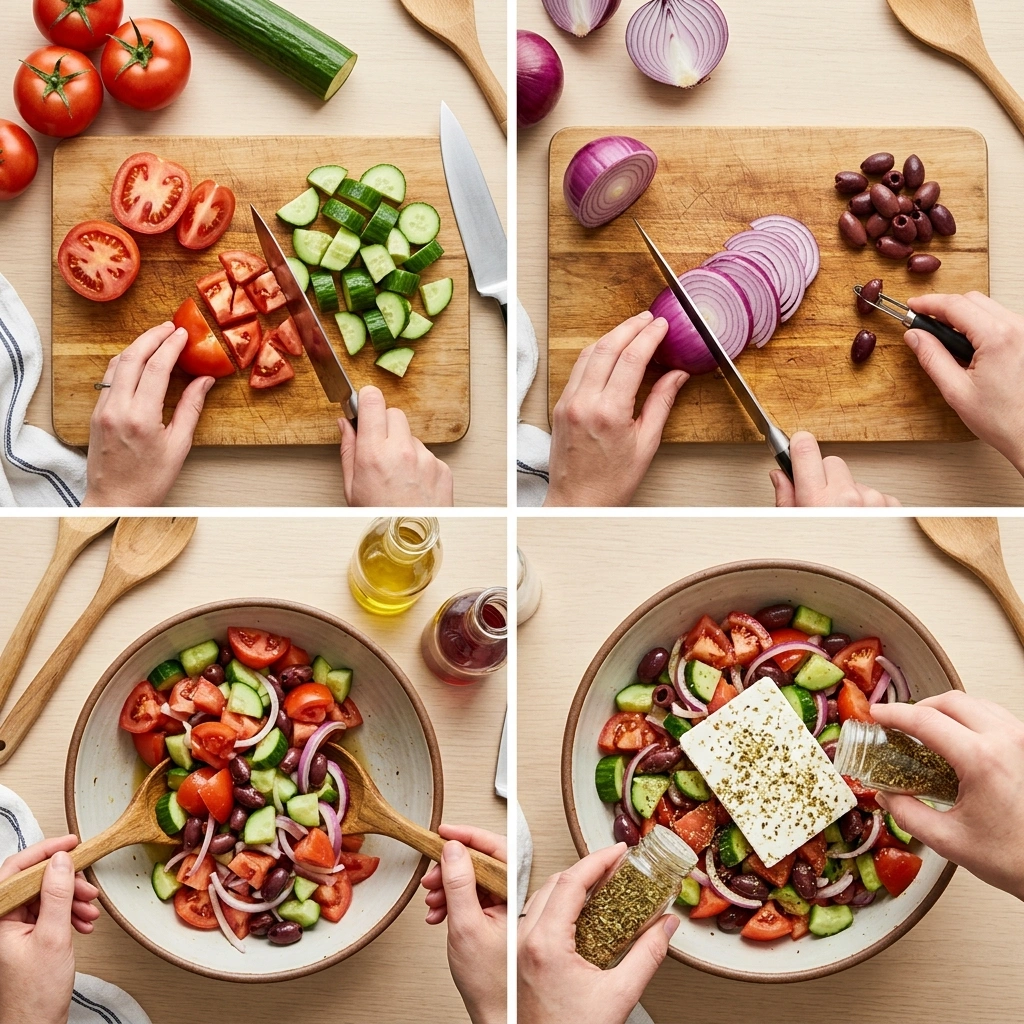
1. Prepare the vegetables: Wash and dry all vegetables thoroughly. Cut the tomatoes into wedges or bite-sized chunks. Peel the cucumbers (if using English cucumbers, you may skip peeling) and slice into half-moons or dice. Thinly slice the red onion.
2. Combine vegetables: In a large salad bowl, combine the tomatoes, cucumbers, and red onion.
3. Add olives: Add the Kalamata olives to the bowl.
4. Prepare the dressing: In a small bowl or jar, whisk together the extra virgin olive oil, red wine vinegar, lemon juice, dried oregano, salt, and black pepper until well combined.
5. Dress the salad: Pour the dressing over the vegetables and olives. Gently toss to ensure everything is evenly coated.
6. Add feta: Add the crumbled feta cheese and toss lightly, being careful not to break up the feta completely.
7. Let it rest: Allow the salad to sit for at least 15 minutes before serving to let the flavors meld.
8. Serve: Serve at room temperature or chilled. Garnish with extra oregano and a drizzle of olive oil if desired.
Variations
While the classic Greek salad is beloved in its traditional form, there are several delightful variations you might explore. The Cretan version often includes grated fresh goat cheese along with or instead of feta, adding a tangy dimension. For those who enjoy heartier salads, adding cooked quinoa or farro transforms it into a more substantial main course. Some regional variations include capers or celery for additional briny or crunchy elements.
A popular modern twist incorporates seasonal fruits like sliced strawberries or peaches for a sweet contrast to the savory ingredients. For a protein-packed version, grilled chicken, chickpeas, or chickpea-based “feta” can be added. Those following a vegan diet can omit the cheese and add a sprinkle of nutritional yeast for a cheesy flavor. The beauty of Greek salad is its adaptability while maintaining its fresh, vibrant essence.
Classic Greek Salad Recipe
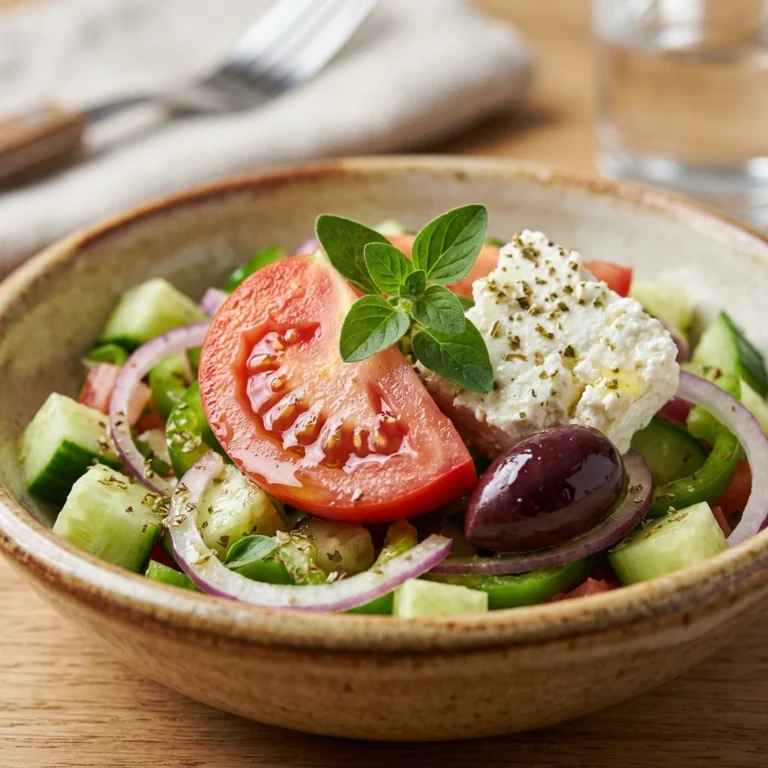
Greek salad (horiatiki) is a timeless Mediterranean classic that celebrates fresh, vibrant produce. With a perfect balance of crisp cucumbers, ripe tomatoes, sharp red onion, briny Kalamata olives, and creamy feta cheese, this salad delivers a refreshing bite every time. It is a simple, healthy, and versatile dish that transports you straight to the sun-drenched shores of Greece.
- Total Time: 30
- Yield: 4 servings
Ingredients
4 large Ripe tomatoes, cut into wedges
2 medium Cucumbers, sliced into half-moons
1 medium Red onion, thinly sliced
1 cup Kalamata olives, pitted
200g Feta cheese, cubed or crumbled
¼ cup Extra-virgin olive oil
2 tbsp Red wine vinegar
1 tbsp Fresh lemon juice
1 tsp Dried oregano
Salt and freshly ground black pepper to taste
Optional: 1 Bell pepper, diced
Instructions
1. Prep: Wash and chop tomatoes, cucumbers, and red onion into bite-sized pieces.
2. Combine: Place tomatoes, cucumbers, onion, and olives in a large salad bowl.
3. Dress: In a jar, whisk together olive oil, vinegar, lemon juice, oregano, salt, and pepper.
4. Toss: Pour dressing over the vegetables and toss gently to coat.
5. Finish: Top with feta cheese. Let the salad rest for 15 minutes before serving to allow the flavors to meld.
Notes
Pro-Tips:
• Use the highest quality extra-virgin olive oil you have, as it is a primary flavor component.
• Let the salad sit for 15-20 minutes before serving; this allows the dressing to permeate the vegetables.
• Don’t over-mix the feta; adding it last ensures it stays in beautiful, creamy chunks.
Variations:
• Protein Boost: Add grilled chicken, chickpeas, or seared tofu to turn this into a main meal.
• Grainy: Toss in cooked quinoa or farro for added heartiness.
• Herbaceous: Add a handful of fresh parsley or mint for extra brightness.
- Prep Time: 15
- Category: Salad
- Method: None
- Cuisine: Greek
FAQ
Q: Can I make Greek salad ahead of time?
A: Yes, you can prepare most components ahead of time, but keep the dressing separate and add it just before serving to maintain the vegetables’ crispness. The salad is best consumed within 24 hours.
Q: What type of olives should I use?
A: Traditional Greek salad calls for Kalamata olives, which have a rich, fruity flavor. If you can’t find them, you can substitute with other briny black olives, though the flavor profile will be slightly different.
Q: Is Greek salad healthy?
A: Absolutely! It’s packed with vitamins, minerals, antioxidants, and healthy fats from the olive oil. It’s naturally low in calories and high in fiber, making it a nutritious choice.
Q: Can I use regular feta instead of Greek feta?
A: While Greek feta made from sheep’s milk is traditional, any good quality feta will work. The main difference is that Greek feta has a creamier texture and saltier taste.
Q: Should I peel the cucumbers?
A: English or Persian cucumbers have thin, tender skins and typically don’t need peeling. Regular cucumbers often have thicker, waxier skins that should be peeled for better texture and flavor.
Conclusion
Greek salad is a timeless classic that celebrates the fresh, vibrant flavors of the Mediterranean. With its simple combination of crisp vegetables, tangy feta, briny olives, and aromatic herbs, it’s a dish that’s both satisfying and healthy. Whether enjoyed as a light lunch, a side dish, or a main course, Greek salad offers a refreshing balance of flavors and textures that never goes out of style. The beauty of this dish lies in its simplicity—quality ingredients, minimal preparation, and maximum flavor impact. By following the authentic preparation method and incorporating our pro-tips, you can recreate this Mediterranean masterpiece in your own kitchen.
For more delicious ideas, follow me on Pinterest.